
久久免费观看视频,久久精品视频免费播放,日韩精品一区二区三区免费视频,99久久婷婷国产综合精品青草免费 ,99久久国产精品免费热麻豆,美国性色Av性色在线观看,亚洲精品国产一区久久,99久久精品免费看,国产偷窥熟女小视频,欧美精品亚洲精品日韩久久

What Are the Structural Differences Between Fire-Safe & Anti-Static Ball Valves and Standard Bal
Company News / 2021-08-13 / 392 瀏覽量

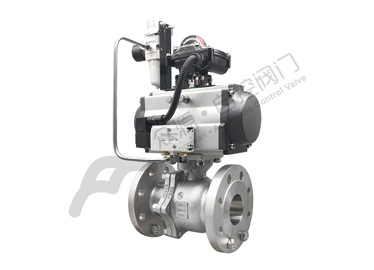
A fire-safe and anti-static ball valve is designed for pipelines transporting natural gas, synthetic coal gas, liquefied petroleum gas (LPG), city gas, and non-corrosive gases. It incorporates anti-static and fire-safe mechanisms:

Key Structural Differences Compared to Standard Ball Valves

  1. Safety Performance

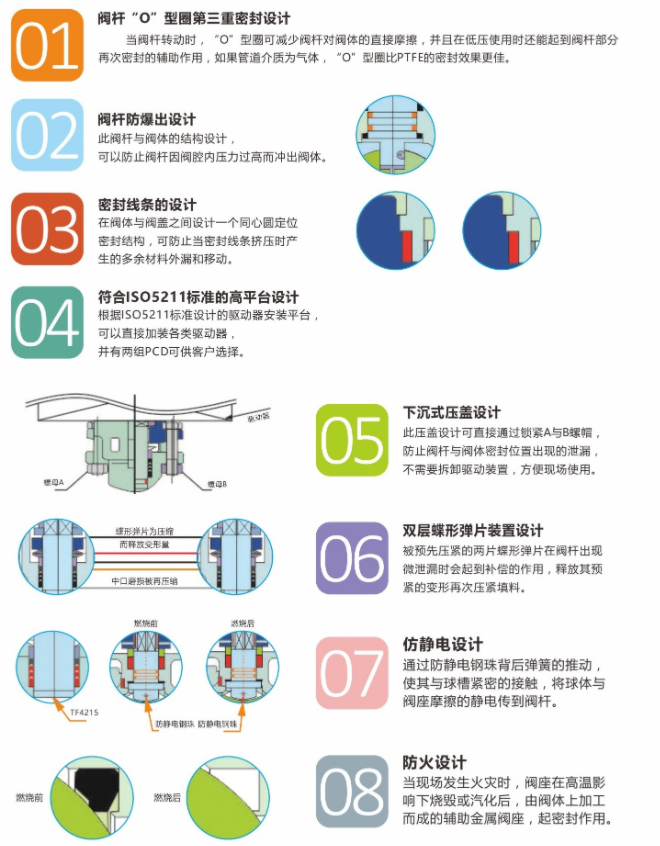
    • Fire-safe valves: Widely used in high-risk industries (e.g., oil, gas, chemicals), they prevent internal leakage during fires. The dual-seal design—soft seal + metal seal—ensures that if the soft seal is destroyed by flames, the metal seal provides backup containment, reducing media leakage and fire spread.

    • Standard valves: Lack redundant sealing systems, posing higher risks in flammable environments.

  2. Anti-Static Mechanism

    • Fire-safe valves: Equipped with an electrostatic discharge device to rapidly dissipate static charges accumulated on the ball during operation. This prevents spark-induced explosions in gas, fuel, or chemical pipelines.

    • Standard valves: No built-in anti-static features, risking electrostatic discharge in sensitive applications.

  3. Technical Standards

    • Fire-safe valves: Follow strict resistance requirements. The electrical resistance between the ball/valve body and stem/ball must be **≤10 ohms under 12V DC**, typically achieved through elastic component connections (e.g., springs).

    • Standard valves: No such specifications unless customized for hazardous environments.

下載.png

Prev 返回列表 Next

推薦資訊

聚焦閥門動態,洞悉行業先機